JEFF NEWS
2026-11-05 11:50:35
This blog takes readers on a third-person tour of JEFF PACKAGING LIMITED's plastic seals and tamper-evident packaging factory. It begins with the company's background: founded in 1996, relocated to Yangjiang in June 2006, registered capital of USD 1.3 million, a 150,000 square feet factory, annual output value of USD 10 million, and a fast-response team. The article explains that the product portfolio includes tamper-evident security bags, courier bags, security tapes, packing list envelopes, vinyl record sleeves, plastic bags, and eco-friendly paper bags, with high-grade tamper-proof security bags as the flagship. The tour follows the production flow from material selection and extrusion to printing, anti-counterfeit design, security tape application, bag making, 7.5mm double welding, barcode serialisation, quality control, eco-friendly production, warehousing, and delivery. Key technical details include STOP or VOID OPENED marks, irreversible red ink above 55 degrees Celsius, warning signs at minus 55 degrees Celsius, resistance to gasoline and solvents, edge micro prints, unique anti-counterfeit barcodes duplicated under the tape, reserved air holes, dual carrying holes, writable surfaces, and 3D bottoms. The article also highlights over 30 sets of computer-controlled automatic equipment, annual capacity of 1.8 billion bags, ISO9001:2008 certification, ICAO qualified STEB manufacturer and distributor status, and genuine Level 4 supply capability as the only manufacturer in China with such qualifications. Applications include banks, jewellery stores, vaults, aviation, airport duty-free shops, government authorities, pharmacies, pawnshops, express delivery, and food logistics. The summary concludes that JEFF PACKAGING combines scale, anti-tampering performance, independent research and development, eco-friendly design, and full-process quality control to serve global clients as a reliable long-term packaging partner.
A Quick Tour of Plastic Seals Factory Production Lines
A visit to a modern plastic seals factory is often described as a lesson in precision, discipline, and quiet engineering. At JEFF PACKAGING LIMITED, the tour begins not with a single machine but with a coordinated network of production lines that transform raw materials into tamper-evident security bags, courier bags, security tapes, packing list envelopes, vinyl record sleeves, plastic bags, and eco-friendly paper bags. For an outside observer, the most striking feature is the way each stage connects to the next: material selection leads to extrusion, printing, tape application, welding, serialisation, inspection, and final packing. Every step is designed to protect the integrity of the finished product, especially the company's flagship high-grade tamper-proof security bags.
JEFF PACKAGING LIMITED was founded in 1996. In June 2006, the company relocated its production base to Yangjiang and established a subsidiary with a registered capital of USD 1.3 million. Covering 150,000 square feet, the factory achieves an annual output value of USD 10 million, supported by an efficient and collaborative team known for fast response and delivery. These facts become more meaningful during a factory tour, because they explain why the production lines can combine scale with control. The site is large enough to handle substantial orders, yet organised enough to keep traceability and quality visible at every stage.
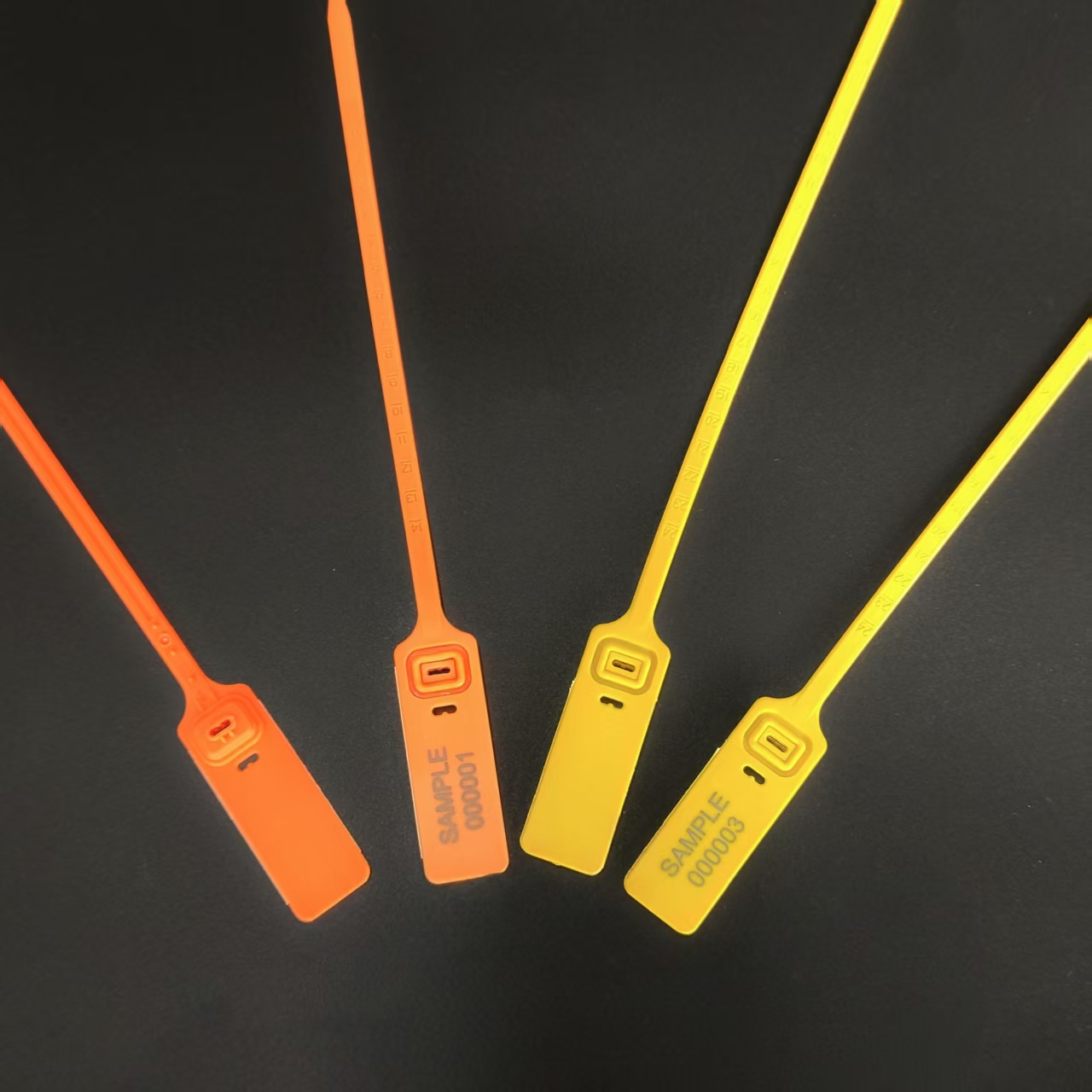
The tour starts at the entrance to the production area, where visitors are introduced to the company's product portfolio. JEFF PACKAGING is a professional manufacturer specialising in packaging solutions, with product lines divided into tamper-evident security bags, courier bags, security tapes, packing list envelopes, vinyl record sleeves, plastic and eco-friendly paper bags. Although the title of the tour refers to plastic seals factory production lines, the term plastic seals in this context covers a broader family of tamper-evident closures, security tapes, welded seams, and bag-based security systems. The factory does not treat these items as simple accessories. It treats them as part of an integrated security chain.
Visitors are told that the company's anti-counterfeit bags rank No.1 in sales across China. The manufacturer adopts the highest-grade anti-counterfeit technology nationwide, and its 100% eco-friendly anti-counterfeit bags are equipped with leading patented designs. These claims are not presented as slogans alone. They are linked to specific production choices: special security tape, irreversible ink reactions, micro printing, unique barcodes, double welding, and full-process quality control. The tour is therefore not merely a walk past machines. It is an explanation of how security is engineered into a plastic seal and into the bag that carries it.
Before entering the main hall, the guide explains the product range in more detail. The company offers a full portfolio divided into plastic and paper series, covering security bags, packing list envelopes, poly mailers, tamper-evident seals, eco-friendly paper bags, and professional record sleeves. The flagship product is the high-grade tamper-proof security bag. Powered by mature proprietary technologies, the product boasts multi-dimensional anti-counterfeit designs. Its special security tape delivers all-weather protection, and its structural design leaves obvious traces if the package is opened, pried, or altered without authorisation.
In a plastic seals factory, the word seal can refer to several elements. It may be the security tape that changes appearance when torn. It may be the welded seam that closes the bag body. It may be the barcode label that verifies authenticity. It may also be the tamper-evident closure that prevents undetected access. JEFF PACKAGING combines these elements into one system. The company is dedicated to delivering standard-compliant Level 4 secure packaging solutions to clients across the globe. Rooted in China, it possesses complete industry qualifications, mature manufacturing techniques, and strong technical reserves in the field of high-security packaging.
The first production stage focuses on material selection. Visitors see incoming rolls of film, resin, paper, tape stock, and ink. Each batch is checked against internal requirements before it reaches the line. The purpose is straightforward: a security bag can only perform reliably if its base materials are consistent. Thickness, clarity, tensile strength, printability, and heat-sealing behaviour all matter. For security products, even small variations can affect how a seam performs or how a tamper-evident tape reacts.
On the plastic side of the factory, extrusion lines convert resin into film. The atmosphere around these lines is controlled and methodical. Operators monitor temperature, thickness, and output, while computer-controlled systems help maintain stable production parameters. The film must be strong enough to carry cash, cheques, securities, judicial evidence, or other valuable items, yet flexible enough to support printing, welding, and handling. It must also work with the security tape and the bag-making process that follow.
The tour guide notes that JEFF PACKAGING is equipped with over 30 sets of computer-controlled automatic production equipment. This scale is visible in the extrusion area, where multiple lines can run in parallel without losing consistency. The annual production capacity reaches 1.8 billion bags, enabling the company to handle large orders steadily. For visitors, the key point is not simply the number of machines. It is the discipline behind them: material specifications are defined, line settings are recorded, and output is checked against standards.
The factory also runs paper-based and eco-friendly material lines. Independent research and development and eco-friendly material application make JEFF PACKAGING stand out from peers. The company has long focused on the research and iteration of eco-friendly paper security bags, breaking the drawbacks of conventional plastic packaging. Boasting leading patented designs for 100% eco-friendly security bags, its self-developed paper-based materials are safe, fully degradable, and in line with international environmental regulations.
While maintaining top-tier anti-tampering capability, these products achieve green and low-carbon circulation, striking a balance between high security and environmental sustainability. During the tour, visitors see that the eco-friendly line is not a side project. It is integrated into the same quality culture as the plastic series. The company keeps optimising production technology and resource management to deliver cost-effective products with competitive pricing. This approach helps partners meet increasingly strict environmental requirements in daily operations.
After film formation, the material moves to printing. This is where the product begins to carry identity. Custom logo printing is available for exclusive branding, and the writable surface allows users to record key information and sealing time. The printing stage is also where several anti-counterfeit features are introduced. Edge micro prints are applied to stop unauthorised opening. Unique anti-counterfeit barcodes are printed and later duplicated under the security tape to prevent removal.
The guide explains that security printing is different from ordinary decoration. A print defect may be cosmetic on a standard bag, but on a security bag it can affect verification. For this reason, the printing line is monitored for registration, adhesion, clarity, and consistency. The company adopts the highest-grade anti-counterfeit technology nationwide, and the printing stage reflects that commitment. The finished product must be easy for legitimate users to identify, yet difficult for unauthorised parties to replicate or alter.
Visitors pause at a station where edge micro prints are inspected under magnification. These tiny marks are part of the bag's tamper-evident design. If someone attempts to open the bag along the edge, the micro prints help reveal the intervention. The feature works together with the welded seam and the security tape. No single element is expected to carry the entire burden of protection. Instead, the design uses multiple layers of evidence so that tampering becomes obvious and irreversible.
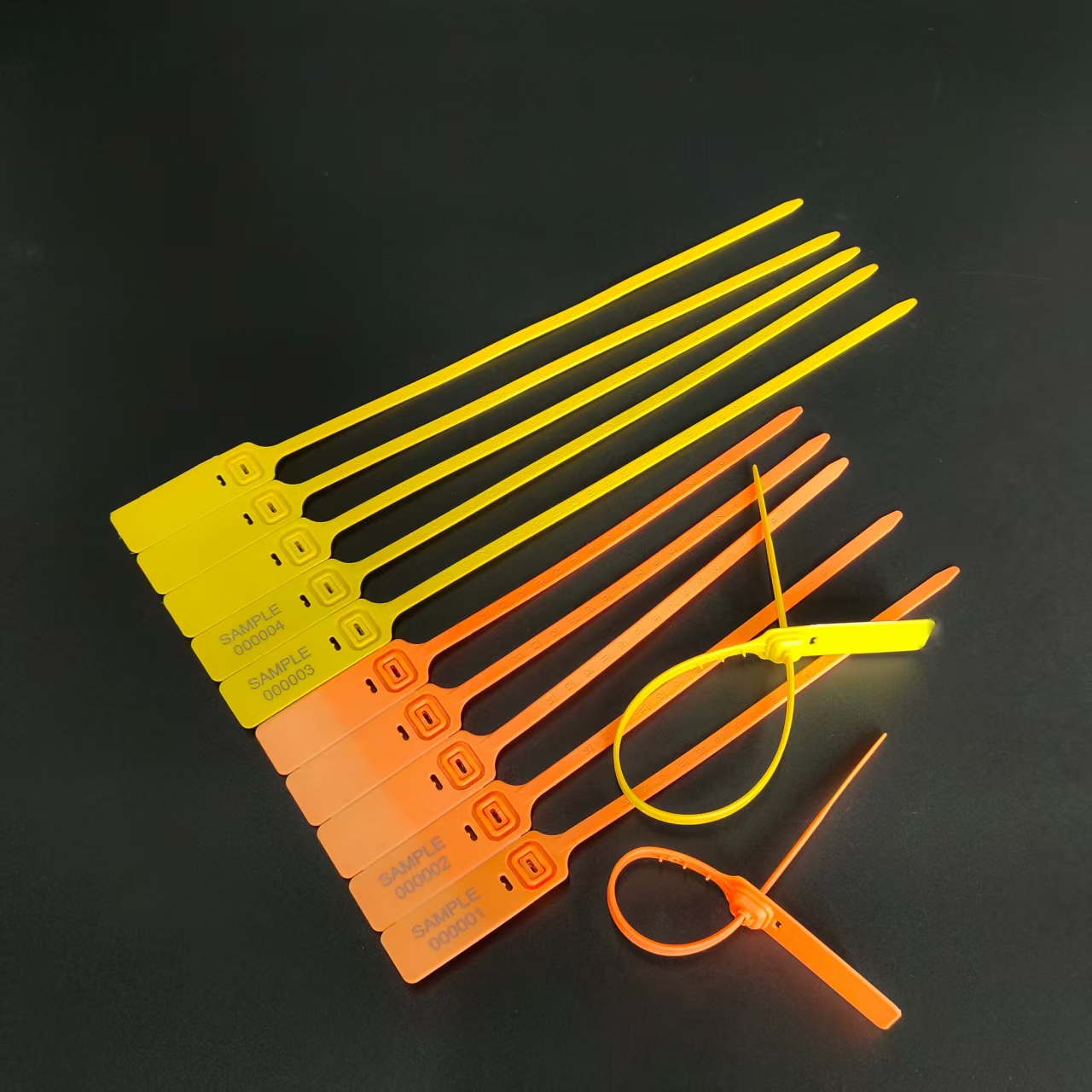
The tour also highlights the unique anti-counterfeit barcode. Each bag is printed with a unique barcode, duplicated under the security tape to prevent removal. Users can verify product authenticity online efficiently and avoid item replacement. In practical terms, this means a bank, jewellery store, vault operator, or government department can check whether the bag in hand is genuine. The barcode also supports traceability, helping the manufacturer and the client connect a finished bag to its production batch.
Beyond security, the production lines incorporate practical functional designs. Reserved air holes release steam to keep contents fresh. Dual carrying holes boost load capacity and prevent deformation or tilting. The writable surface allows recording of key information and sealing time. A 3D bottom ensures stable placement for easy loading. These details may appear simple, but they improve daily usability in banks, retail environments, logistics hubs, and government offices.
The tour guide points out that humanised details are part of the company's competitive advantage. Security packaging should not create unnecessary friction for authorised users. It should be clear, stable, and easy to handle. The production lines therefore balance tamper evidence with ergonomics. The result is a product that protects valuable items while remaining practical for staff who need to pack, seal, store, and transport them efficiently.
The security tape line is one of the most closely watched areas of the factory. The special security tape delivers all-weather protection. Clear STOP or VOID OPENED marks appear once the tape is torn at room temperature. The ink turns irreversibly red above 55 degrees Celsius to block high-temperature tampering, while warning signs show at minus 55 degrees Celsius to prevent cold-agent intrusion. The water-soluble ink also resists opening with gasoline and solvents.
This multi-dimensional behaviour is what makes the tape more than an ordinary adhesive. It is a sensor and a witness. If someone tries to open the bag, the tape records the event. If someone tries to use heat, cold, gasoline, or solvents to bypass the seal, the tape responds. Visitors are shown sample strips that demonstrate the colour change and warning marks. The demonstration makes the technical explanation tangible: tamper evidence is not only about strength, but about predictable and irreversible reactions.
Superior anti-tampering performance stands as the company's most prominent strength. All security bags adopt professional tamper-proof structural design with integrated functional protection. Once the package is opened, pried, or altered without authorisation, obvious and irreversible traces are left. This effectively prevents illegal tampering, asset loss, and confidential information leakage. Complying with Level 4 security specifications, the products are engineered for high-value and high-confidentiality goods circulation.
For financial institutions, jewellery retailers, and judicial departments that pursue strict safety standards, this packaging greatly cuts operational risks and creates a reliable protection system for the storage and transit of valuables. The company's in-house anti-counterfeit technologies have been continuously upgraded, delivering stable and trustworthy protection that meets rigorous industry requirements. On the tour, the tape line demonstrates how those technologies are applied in routine production rather than reserved for special projects.
After printing and tape preparation, the material enters the bag-making area. Here, rolls are cut, folded, welded, and finished into security bags, courier bags, packing list envelopes, and other formats. The atmosphere is busy but orderly. Automated equipment performs repeated tasks with high consistency, while operators check seams, dimensions, and alignment. The tour guide explains that a 7.5mm double welding structure strengthens the bag body, paired with edge micro prints to stop unauthorised opening.
The welding stage is critical because the seam is part of the security boundary. A weak seam could allow access without obvious tape damage. A strong, consistent weld helps ensure that any attempt to open the bag leaves evidence. The double welding structure provides additional strength and stability. Visitors see finished bags being tested for seam integrity, and they learn that weld width, temperature, pressure, and cooling time are controlled parameters.
Quality control staff inspect the bag body for alignment, wrinkles, weak points, and print defects. They also check the relationship between the tape and the seam. The security tape must sit correctly, and the edge micro prints must remain visible. The dual carrying holes must withstand load without deforming. The 3D bottom must allow stable placement. These checks may seem detailed, but they reflect the company's core values: Quality is Life, Harmony Drives Innovation, and Sincerity Creates Win-Win.
JEFF PACKAGING has obtained ISO9001:2008 certification and is officially listed as a qualified STEB manufacturer and distributor by ICAO. The bag-making area is one place where those qualifications become visible in daily practice. Standardised procedures, recorded settings, and inspection checkpoints help ensure that each production run meets technical and safety requirements. The company keeps optimising production technology and resource management to deliver cost-effective products with competitive pricing.
The next stage focuses on serialisation and traceability. Each bag is printed with a unique anti-counterfeit barcode, duplicated under the security tape to prevent removal. Users can verify product authenticity online efficiently and avoid item replacement. During the tour, visitors see how barcodes are checked for readability and uniqueness. The duplicated barcode under the tape adds another layer of protection because removal would disturb the tape and leave evidence.
Traceability is important for high-security packaging. Banks, government departments, and specialised industries need to know that the bags they use are genuine and consistent. A unique barcode supports that confidence. It also helps the manufacturer investigate any issue quickly. The production line therefore treats serialisation as a security feature, not an administrative extra. The barcode links the physical bag to a verification system and to the production records behind it.
As the tour moves through the main hall, the scale of automation becomes clear. JEFF PACKAGING is equipped with over 30 sets of computer-controlled automatic production equipment. The annual production capacity hits 1.8 billion bags, enabling the company to handle large orders steadily. The factory covers 150,000 square feet and achieves an annual output value of USD 10 million. These figures reflect a production system designed for both volume and reliability.
Automation does not remove the need for skilled people. Instead, it changes their role. Operators monitor systems, check samples, respond to alerts, and maintain line discipline. Maintenance teams keep equipment calibrated. Quality teams verify output. Planning teams coordinate orders so that large runs do not compromise delivery schedules. The company's efficient and collaborative team is known for fast response and delivery, and the tour shows how that reputation is built day by day.
Quality control is not a single room at the end of the factory. It is a thread that runs through the entire production process. From raw material selection, production and processing, to finished product inspection, every link follows strict standards to ensure each piece of packaging meets technical and safety requirements. Visitors see inspection points at multiple stages: incoming material checks, in-process checks, and final random sampling.
Tamper-evidence testing includes peel tests, temperature response checks, solvent resistance checks, weld strength checks, and print adhesion checks. The purpose is to confirm that the security features behave as designed. The tape must show clear marks when torn. The ink must react irreversibly above 55 degrees Celsius. Warning signs must appear at minus 55 degrees Celsius. The water-soluble ink must resist opening with gasoline and solvents. The 7.5mm double welding structure must hold under expected loads.
These tests are practical rather than theoretical. They reflect the real conditions in which security bags are used: banks, vaults, jewellery stores, airports, government authorities, pharmacies, pawnshops, express delivery networks, and food logistics. The company has accumulated abundant practical cases by serving numerous institutional and commercial clients at home and abroad, proving stable quality and dependable service in real working scenarios.
Documentation supports every quality decision. Batch records, inspection results, and material certificates help the company maintain consistency and respond to client enquiries. JEFF PACKAGING LIMITED leads the industry and has achieved genuine Level 4 supply capability. It is the only manufacturer in China with such qualifications. As the nation's exclusive benchmark enterprise, it maintains a clear technological lead in China's security packaging sector.
The company is also officially listed as a qualified STEB manufacturer and distributor by ICAO. These qualifications are important for clients in aviation, banking, government, and other high-security fields. During the tour, the guide explains that compliance is not a one-time achievement. It requires ongoing training, process control, and investment in technology. The factory's quality culture is therefore both formal and practical.
The eco-friendly production line receives significant attention during the tour. JEFF PACKAGING has developed 100% eco-friendly anti-counterfeit bags with leading patented designs. The self-developed paper-based materials are safe, fully degradable, and in line with international environmental regulations. While maintaining top-tier anti-tampering capability, the products achieve green and low-carbon circulation. This balance between security and sustainability is a defining feature of the company's research and development approach.
The factory also focuses on resource management. Material waste is monitored, energy use is reviewed, and production planning aims to reduce unnecessary runs. The company keeps optimising production technology and resource management to deliver cost-effective products with competitive pricing. For global clients, this means security packaging can support environmental goals without sacrificing protection. The tour guide notes that green production is not a marketing layer added at the end. It influences material choice, line configuration, and product design from the beginning.
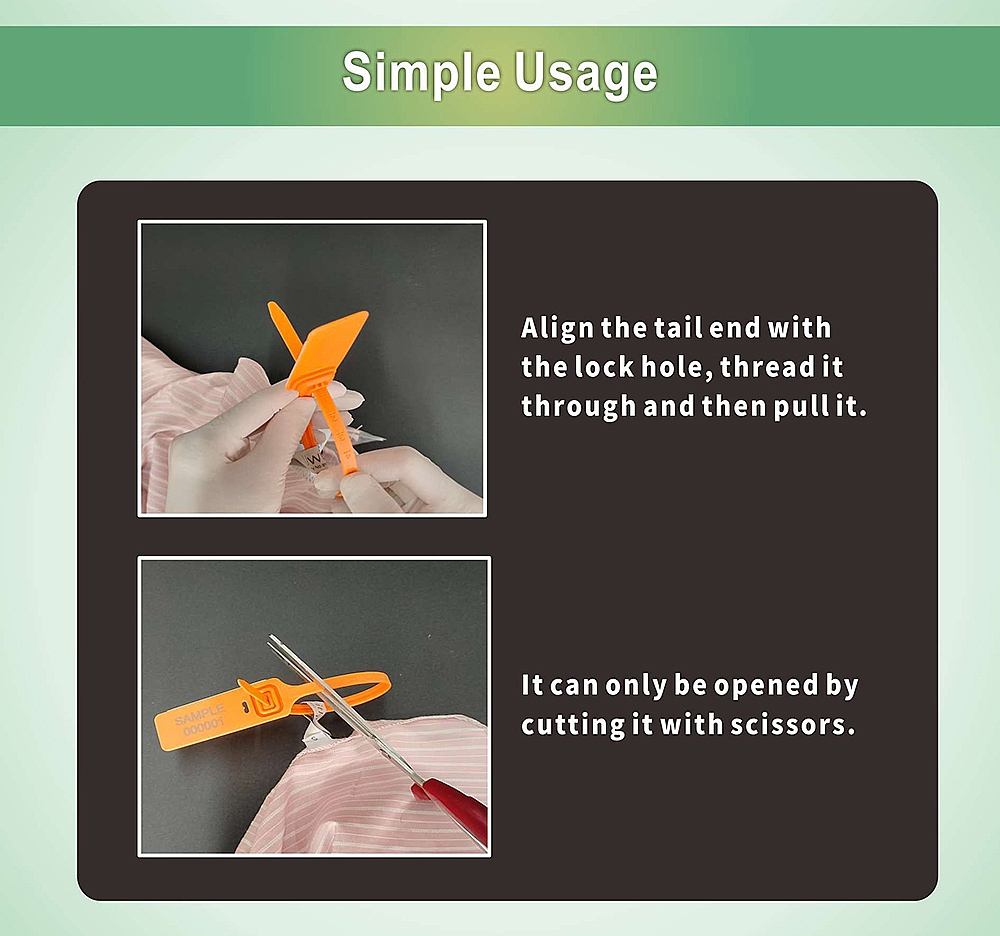
At the final stage, finished security bags, courier bags, packing list envelopes, security tapes, vinyl record sleeves, and eco-friendly paper bags are packed and prepared for shipment. The warehouse area is organised to support fast response and delivery. Orders are checked against specifications, labels are verified, and cartons are prepared for transport. The company's efficient and collaborative team coordinates with clients to meet delivery requirements.
Visitors learn that prompt delivery is part of the product promise. A security bag that arrives late can disrupt a bank's operations, delay a judicial process, or interrupt an express logistics schedule. The factory therefore treats logistics as an extension of production. The annual output value of USD 10 million and the annual capacity of 1.8 billion bags are supported by planning systems that help balance large orders with reliable lead times. The goal is to provide premium quality, prompt delivery, and thoughtful services.
The tour concludes with an overview of applications. The company's security bags are suitable for holding cash, cheques, securities, and judicial evidence. They are widely used in banks, jewellery stores, vaults, the aviation industry, airport duty-free shops, government authorities, pharmacies, and pawnshops. They are also perfectly suited for express delivery and food logistics. This wide application range shows that tamper-evident packaging is not limited to one sector.
Beyond traditional high-security fields, the products work well in everyday logistics. Courier bags and packing list envelopes support routine shipping, while security tapes and tamper-evident seals protect valuable consignments. The company's products boast extensive adaptability and proven practical performance. Combining solid technical support, rigorous anti-tampering functions, and humanised details, the products effectively safeguard item safety, reduce operational risks, and bring reliable, high-value solutions to global clients.
A quick tour of the plastic seals factory production lines reveals why JEFF PACKAGING has earned recognition from banks, government departments, and various specialised industries worldwide. The company has built comprehensive competitive edges in safety performance, independent research and development, eco-friendly design, and multi-scenario application. Its anti-counterfeit bags rank No.1 in sales across China, and it adopts the highest-grade anti-counterfeit technology nationwide. These advantages are visible in the production lines, the testing stations, and the finished products.
The company also provides the most favourable prices and ensures professional quality. On the basis of standardised mass production, it offers tailored solutions according to clients' personalised needs. With reliable quality, professional technology, and considerate services, JEFF PACKAGING LIMITED keeps delivering high-value high-security packaging products to global customers. The factory tour shows that these promises are supported by real equipment, real procedures, and a real team.
For visitors, the factory tour ends with a clearer understanding of what plastic seals and tamper-evident packaging actually involve. A security bag is not simply a plastic pouch. It is a system of materials, printing, tape, welding, serialisation, testing, and logistics. Each production line contributes to the final promise: if the package is opened, pried, or altered without authorisation, obvious and irreversible traces will be left. That promise protects cash, cheques, securities, judicial evidence, and other valuable items in transit and storage.
JEFF PACKAGING LIMITED combines decades of industry experience, solid manufacturing capabilities, and authoritative qualifications. Founded in 1996, relocated to Yangjiang in 2006, and supported by a 150,000 square feet factory, the company continues to optimise production technology and resource management. With over 30 sets of computer-controlled automatic production equipment and an annual capacity of 1.8 billion bags, it is positioned to serve global clients steadily. The tour leaves a simple impression: security is built step by step, and every line in the factory has a role in protecting it.


